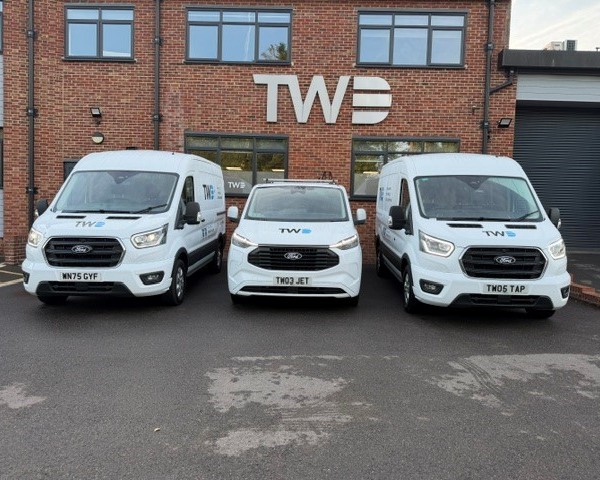
As a business that relies heavily on a large fleet of vehicles covering a huge geographical area every day, finding ways to reduce our environmental impact is an ongoing challenge.
The introduction of electric and hybrid vehicles is undoubtedly a positive development for businesses operating large fleets. However, for a company such as ourselves, there are additional challenges. Our vehicles carry significant weights of specialist equipment, and our engineers can cover hundreds of miles in a single day. With the demands of response work, along with the requirements of the planned works we carry out, reliability and practicality are essential, meaning current electric technology does not yet provide a suitable solution for every part of our fleet.
However, we are committed to making changes wherever we can.
Over the last six months, our Transport Manager, Shane Pender, has worked tirelessly researching, assessing and road-testing various alternative vehicle options to identify where more sustainable solutions could realistically be introduced.
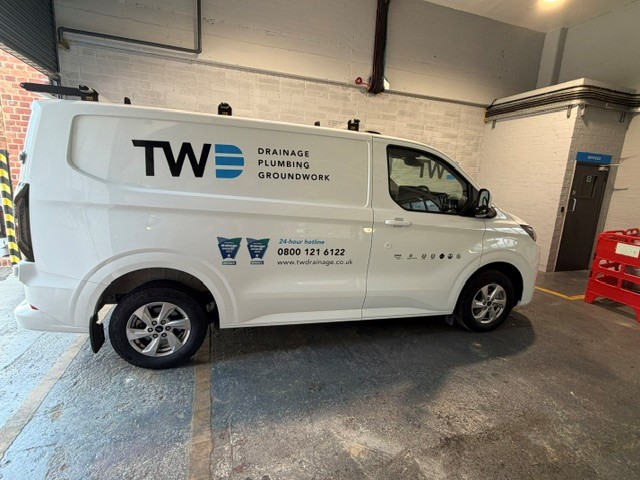
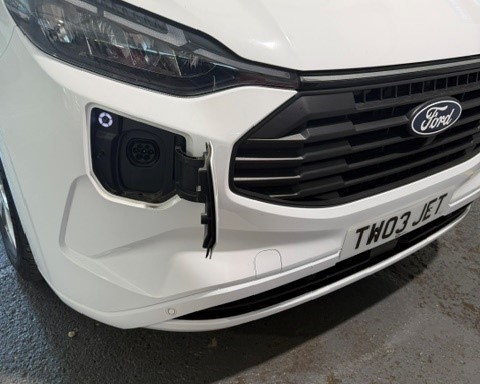
We are therefore delighted to announce the purchase of our first Plug-in Hybrid Electric Vehicle (PHEV) – a Ford Transit Custom PHEV.
The vehicle was put through it’s paces during trials, covering 526 miles, including 280 miles using electric power, and achieving approximately 42 MPG.
Most importantly, the CO₂ emissions were just 37g/km, compared with 185g/km from our usual diesel vehicles – a significant reduction.
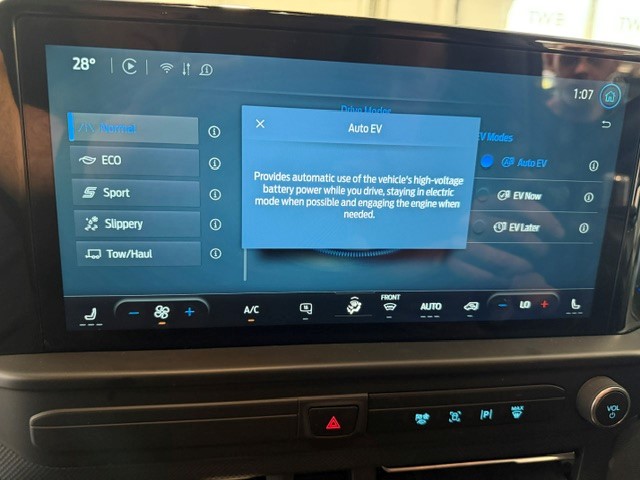
The PHEV also gives us the flexibility of electric driving without the range limitations associated with a fully electric vehicle. The different EV driving modes allow electric power to be used where it can be most effective, particularly during urban and stop-start driving.
This investment supports our ISO 14001 Environmental Management System and wider sustainability targets, helping us identify practical and measurable ways to reduce the environmental impact of our operations.
We recognise that transitioning a drainage fleet of our size to electric and hybrid vehicles will not happen overnight. The technology still presents challenges around, most notably, range and charging, particularly for vehicles covering large distances.
But this is an important first step, and one which we are immensely proud of.
As technology continues to develop, we will continue to research, trial and invest in lower-emission solutions that work for our business, our customers and the environment.